Reducing Food Waste and Retail Shrink
Food waste and shrink represent some of the largest hidden costs in grocery operations. A significant portion of fresh food loss occurs not because products are unsellable upon arrival, but due to environmental instability, spoilage progression, and delayed intervention within stores. Addressing these root causes reduces waste, protects margin, and supports sustainability goals.
Where We Are Today
Clean Harvest reduces food waste today through disciplined, manual sanitation and environmental hygiene. By removing organic buildup and stabilizing conditions within fresh departments, stores reduce the factors that accelerate spoilage and premature discard. Structured cleaning schedules and documented procedures support consistent execution and measurable waste reduction.
What the Data Shows
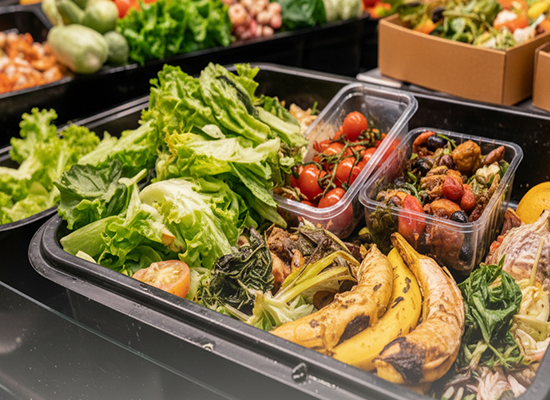
30–40% of the U.S. Food Supply Is Wasted
The U.S. Department of Agriculture estimates that between 30% and 40% of the food supply is lost or wasted annually at the retail and consumer level, representing hundreds of billions of pounds of food each year.

Fresh Produce Has High Retail Loss Rates
USDA Economic Research Service data shows that fresh fruits and vegetables experience some of the highest retail loss rates, averaging approximately 11.6% across selected produce categories.

Retail Waste Reduction Is Achievable
A national study by ReFED found that grocery retailers implementing structured food-waste-reduction strategies reduced unsold food by approximately 25%.

National Focus on Food Waste Reduction
The U.S. EPA and USDA have established a national goal to reduce food loss and waste by 50% by 2030, increasing pressure on retailers to adopt preventive approaches.
How the Framework Evolves
The Clean Harvest framework is designed to support future integration of environmental monitoring and visual verification. As these capabilities are layered in, stores can further enhance early identification of spoilage conditions and continuously refine waste-reduction strategies.
Why This Matters Operationally
Reducing food waste lowers disposal costs, protects margin, improves inventory confidence, and supports sustainability and ESG reporting while reducing reactive labor.
+1 855-4-HARVST
+1 855-442-7878
hello@mycleanharvest.com


