
Reducing Unplanned Maintenance Through Proactive Sanitation
Unplanned equipment failures disrupt operations, increase labor costs, and often result in product loss. Many failures are linked to gradual buildup and environmental stress.
Where We Are Today
Routine sanitation reduces organic buildup that contributes to corrosion, restricted airflow, and mechanical stress. By addressing these conditions early, Clean Harvest helps reduce unexpected maintenance events.
What the Data Shows
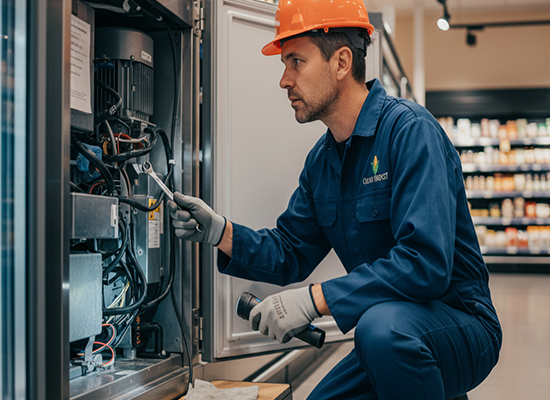
Biofilm Accelerates Equipment Degradation
Scientific literature shows that biofilms create micro-environments that accelerate corrosion and surface degradation.
.png)
Preventive Maintenance Reduces Failures
Industry studies consistently show preventive maintenance programs significantly reduce unexpected equipment failures compared to reactive approaches.
.png)
Reactive Maintenance Costs 3–5× More
Facilities management research indicates reactive maintenance often costs three to five times more than planned maintenance.
How the Framework Evolves
The framework is designed to later incorporate condition monitoring and trend analysis, further reducing unplanned maintenance through earlier detection of performance changes.
Why This Matters Operationally
Fewer emergencies mean lower costs, less disruption, and more predictable store operations.

+1 855-4-HARVST
+1 855-442-7878
hello@mycleanharvest.com


